
Mediterranean plants – planting and care
Outdoor plants and garden
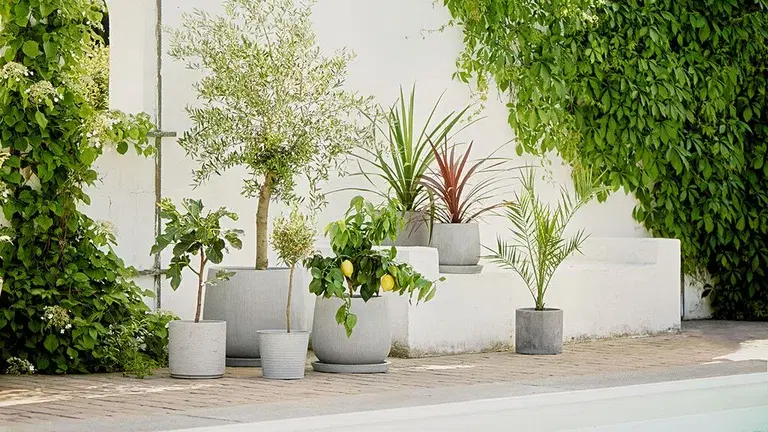
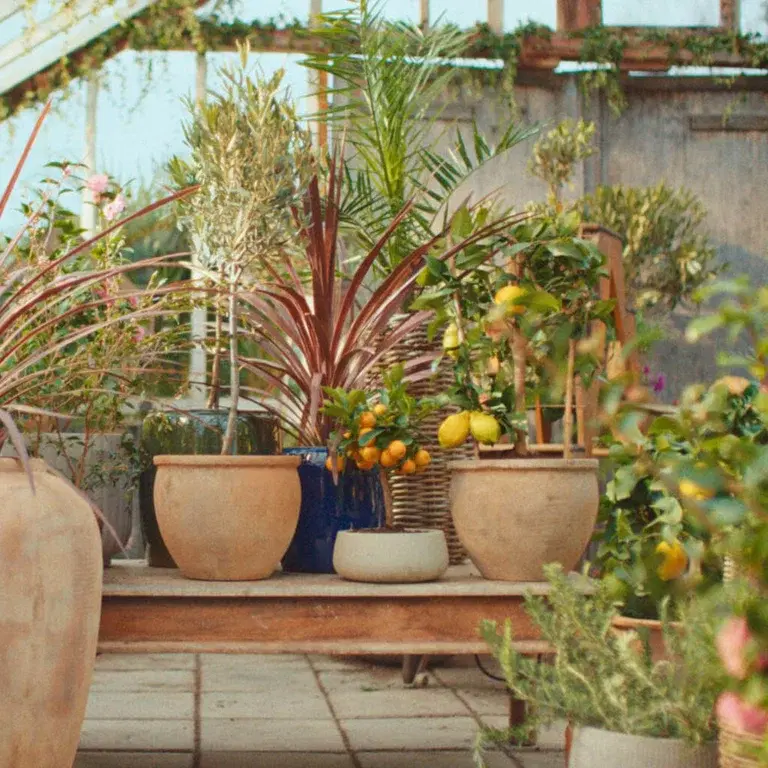
Mediterranean plants like olives, citrus, figs, and palms bring an exotic and delightful touch to terraces, balconies, and patios. The popularity of these plants has increased in recent years, and the availability has kept pace.
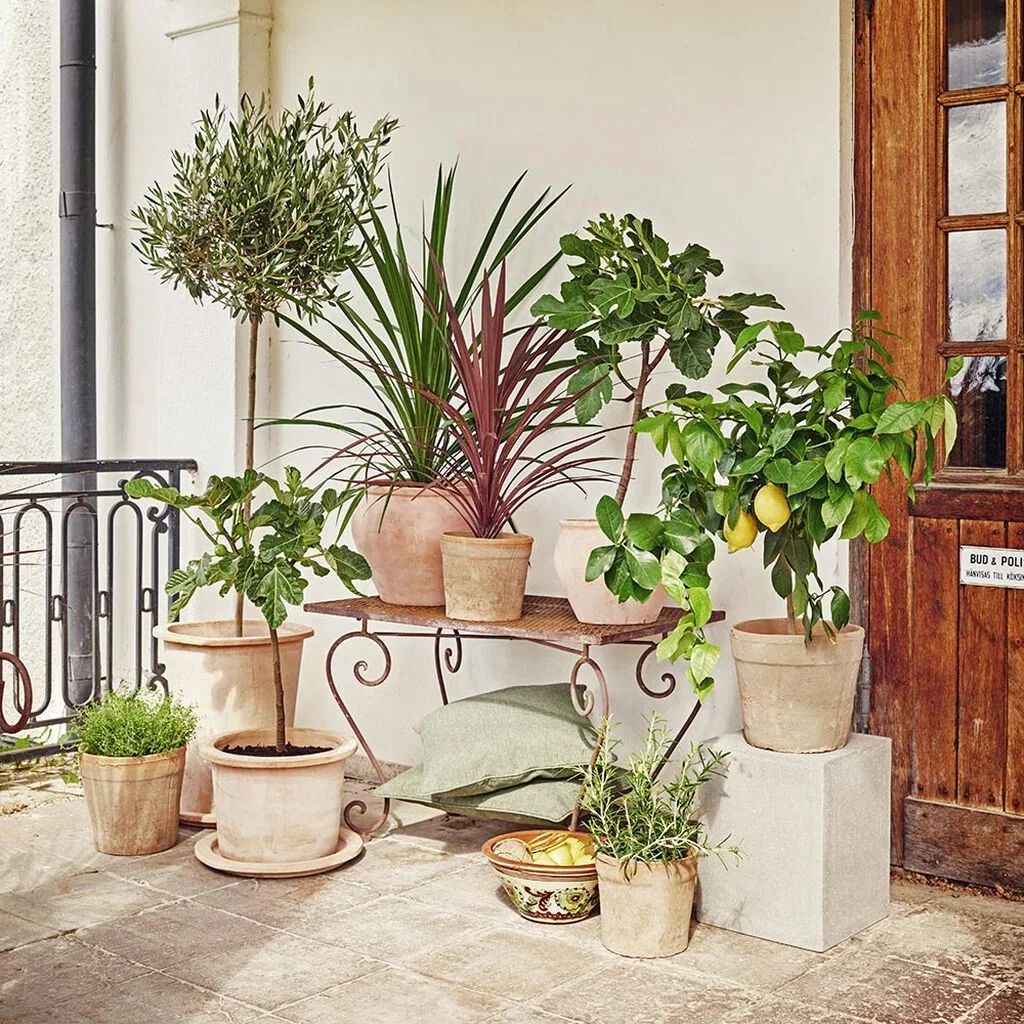
Mediterranean plants thrive in large pots and are easy to place on balconies and patios. Many of them are slightly larger, providing a wonderful foundation for your green oasis. Pelargoniums and herbs like rosemary and thyme are great to plant alongside Mediterranean plants.
Care of Mediterranean plants
- Location
Mediterranean plants love sun and warmth, and thrive outdoors in the sun during the summer. They're well-suited for terraces, balconies, and conservatories. In winter, they should be moved indoors; plant them in large pots made of lightweight material so they can be easily moved in and out. Place them in the brightest spot indoors. If it's possible to place the plant in a cool room, 0-10 degrees Celsius (32-50 degrees Fahrenheit), that's ideal. - Soil
For best results, plant in Mediterranean soil, with a 15 cm (approximately 6 inches) thick layer of LECA pebbles at the bottom of the pot. - Watering
Water generously 3–4 times a week if it's hot and sunny. - Fertilizing
During the summer months, the plants benefit from extra nutrients about every other week.
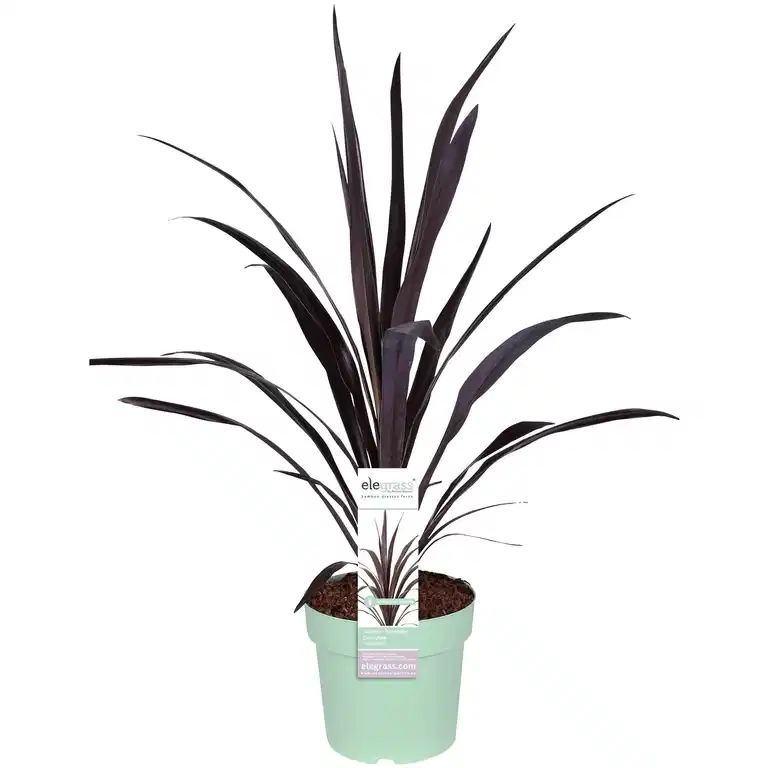
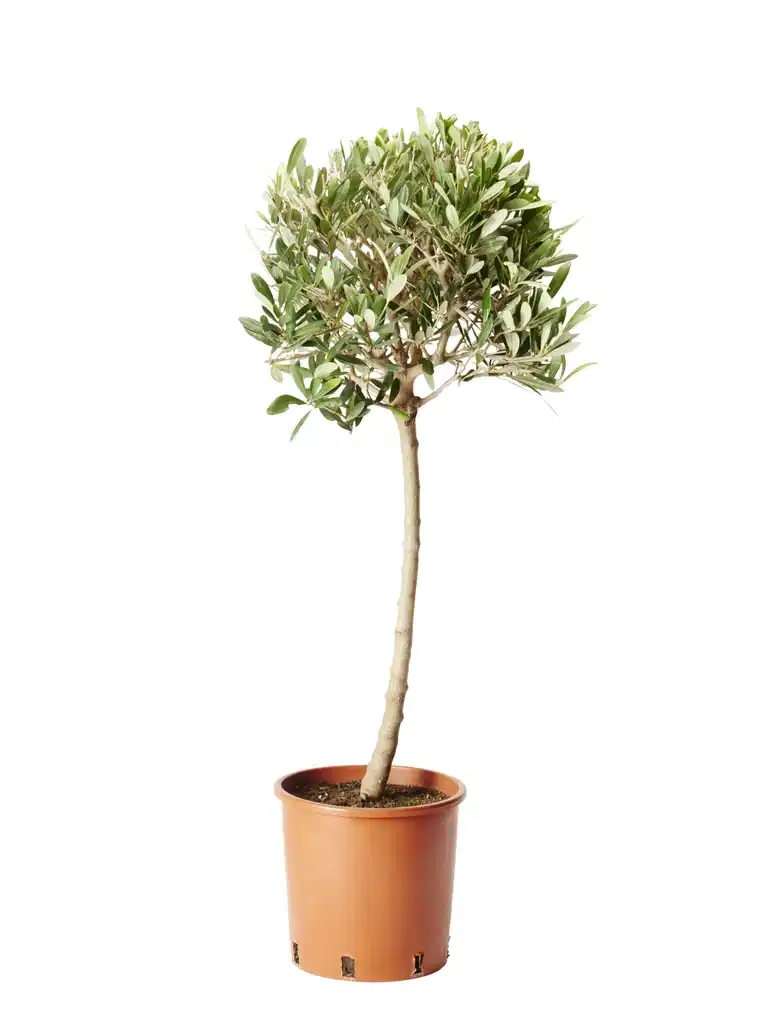
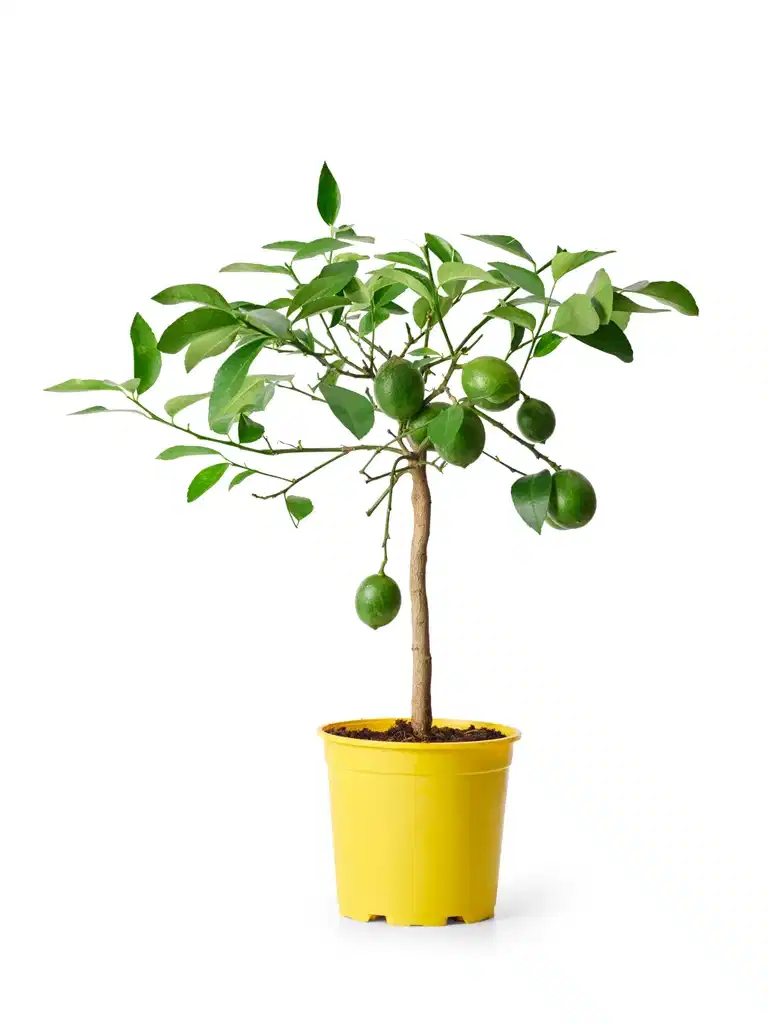
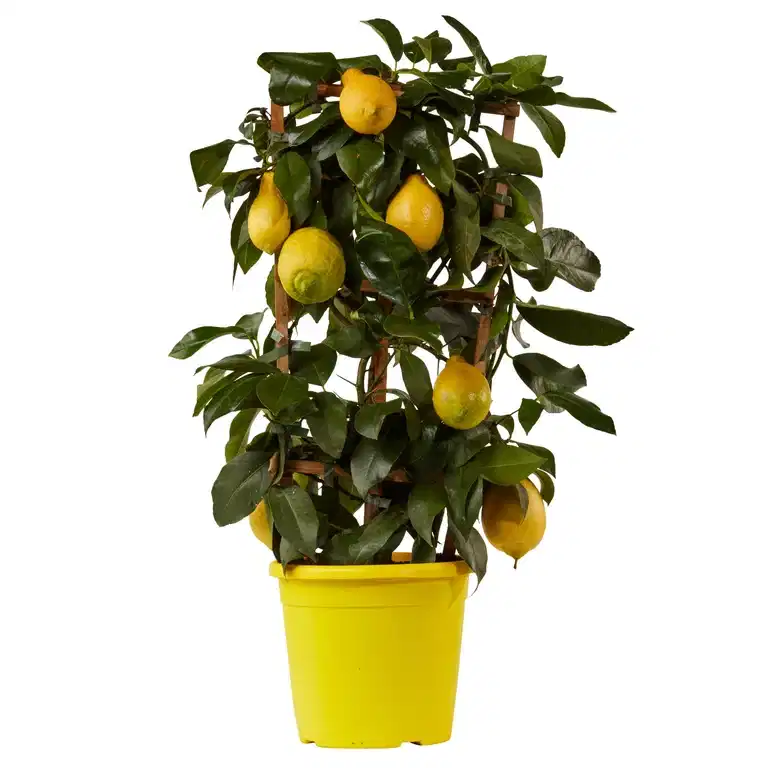
Different varieties of Mediterranean plants
- Olive tree
The tree should be placed in a bright spot, preferably in full sun. Olive trees tolerate drought but should not dry out completely. Especially during fruit setting, it's important to keep the soil evenly moist. When the temperature drops below 10 degrees Celsius (50 degrees Fahrenheit), the plant should overwinter indoors. Indoors, the olive tree thrives best in a bright and cool place, between 3 and 10 degrees Celsius (37-50 degrees Fahrenheit). The olive tree is evergreen, but the leaves are replaced every three years. When the plant moves indoors, it may lose its leaves due to changes in humidity. Fresh olives have a very bitter taste and should be preserved in brine or oil for a long time before being eaten. - Citrus
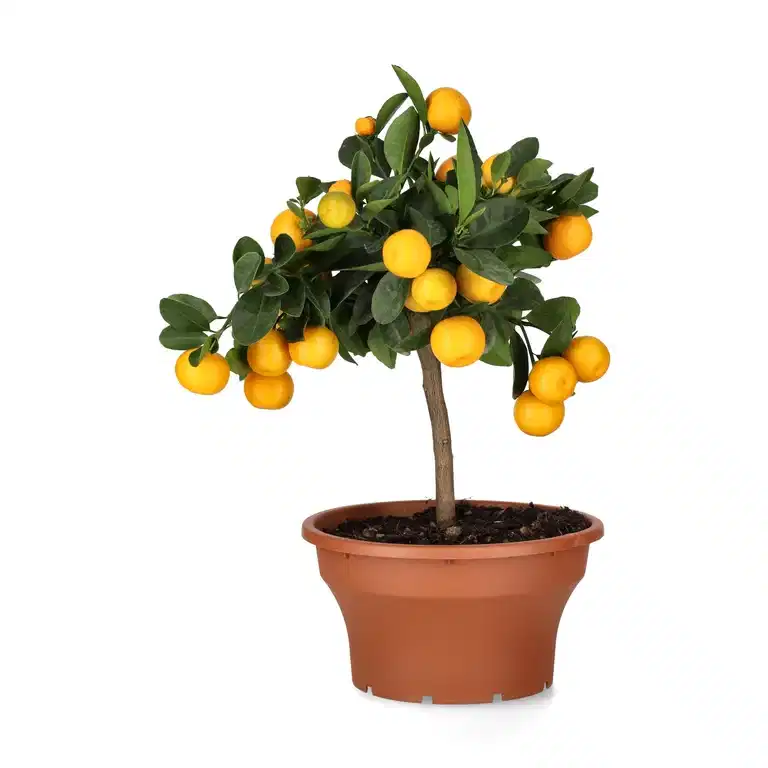
There are various types of citrus plants, and all are small, evergreen shrubs or trees with leathery leaves. The flowers are white and smell good. The fruit is initially small and greenish; as it ripens, it becomes aromatic and yellow or orange. The fruit ripens within a year. For best flowering and fruit setting, the citrus plant should be placed outdoors from the beginning of June to September. It thrives best in a warm and sheltered place. Water regularly so that the soil does not dry out completely. Fertilize every other week during the summer months with citrus fertilizer. In heavy rain or low temperatures, the citrus plant should be brought indoors. During the winter, citrus thrives in the house's brightest and coolest room. To get the plant to bear fruit even when it's indoors, you should assist with pollination. Gently run a soft brush over the pollen carriers on one flower and then brush off the pollen onto the pistil of the next flower. - Cordyline (Austral dragon lily)
The Austral dragon lily is great in large pots if you want to create a tropical or Mediterranean-inspired outdoor space. It can also be placed in a flower bed in the summer but should be moved indoors again in the autumn. Tolerates slight drying out. Thrives in sun to partial shade in well-drained soil. - Fig
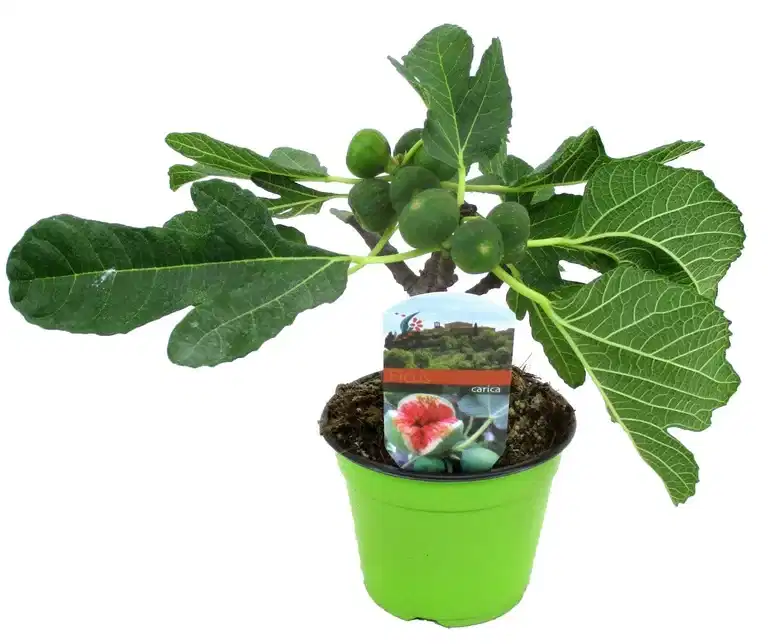
The fig is a shrub or tree that gives a wonderful feeling of warmer latitudes. The fig has large, lobed, slightly leathery leaves. The trunk is gray, smooth, and slightly screw-shaped. Grown in a pot. Thrives in sun in well-drained Mediterranean soil. Water regularly with slight drying between waterings. - Windmill palm
A palm with a hairy trunk and large crown of leaves becomes a wonderfully exotic addition to the garden and balcony. The windmill palm can withstand temperatures as low as minus 15 degrees Celsius (5 degrees Fahrenheit) and can grow to approximately 9 meters (30 feet) tall. Cover the palm in the coldest months or let it overwinter in a shed or garage. - Protea 'Little Prince'
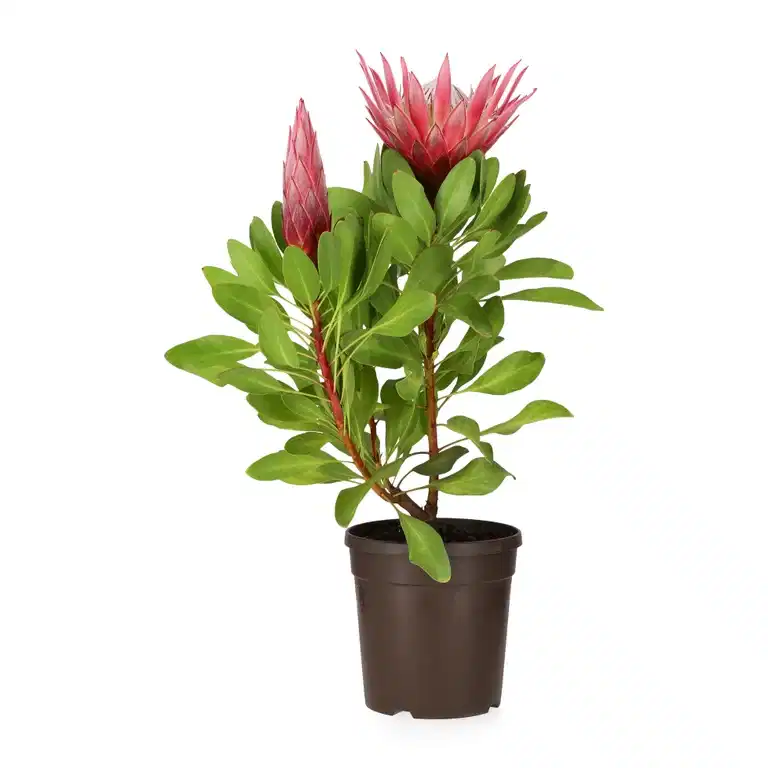
Protea 'Little Prince' is perfect for those who want something extra! It has beautiful, spherical flowers in dark pink to red that can amaze most people. Perfect in pots on the terrace! Thrives in sun in well-drained, nutrient-rich, and preferably slightly sandy soil. Allow to dry between waterings.
Read more:
You are here:
Topics:
Outdoor plants and garden