
Seed school – sowing from seeds indoors
There are many edible treats you can sow yourself. Or perhaps you would like to grow beautiful flowers to make bouquets with? Read more about how to succeed with sowing seeds and how to best take care of your plants.
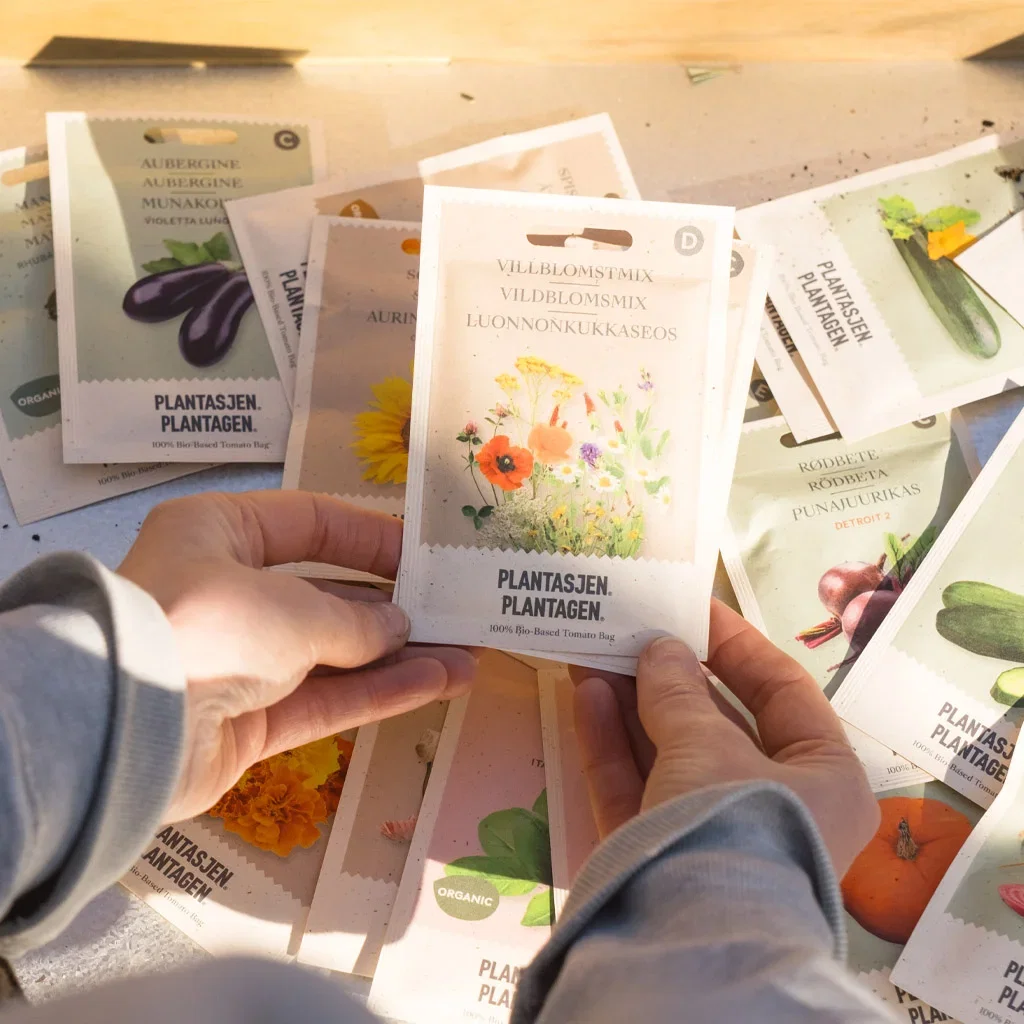
Why sow indoors?
There are several advantages to and reasons for sowing indoors. Some plants need a long time to bloom or produce fruit. It is therefore wise to start indoors so they have enough time to grow well by summer.
What do you need to sow indoors?
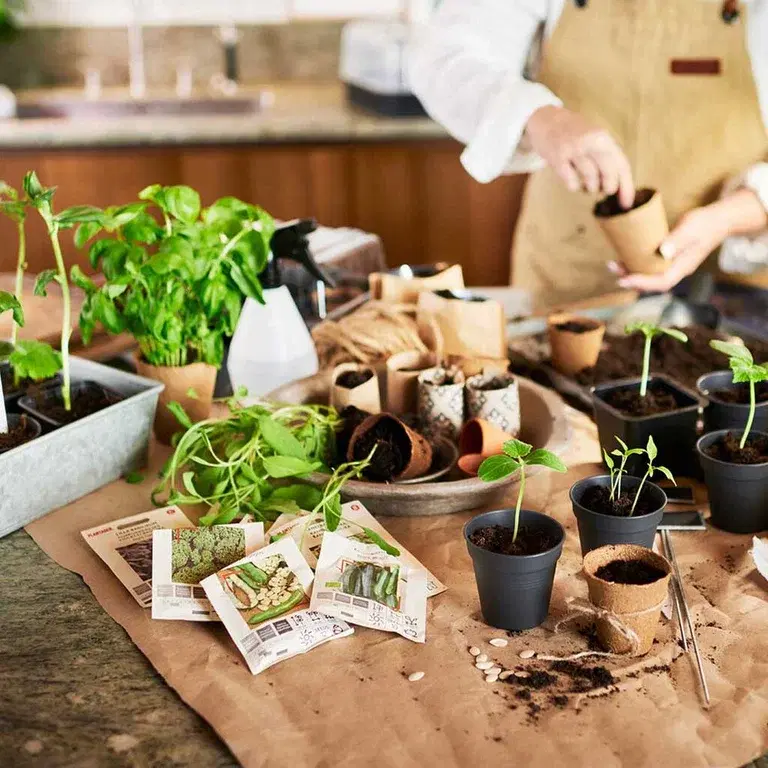
If you have the right equipment and good lighting, you can sow at any time of the year. But remember that your plants may need more space as they grow. You must therefore ensure you have enough room when the windowsill is no longer sufficient. Otherwise, you should have the following in place when you are going to start sowing seeds:
- Seed packets
- Nutrient-rich soil
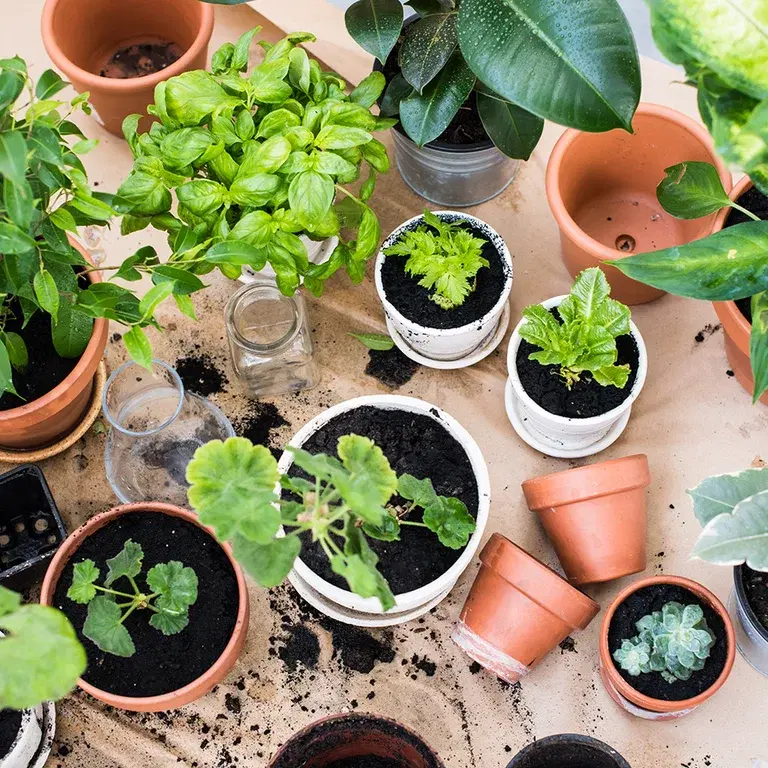
- Small pots (you can use various types)
- Plant dibbers for labeling
- Spray bottle
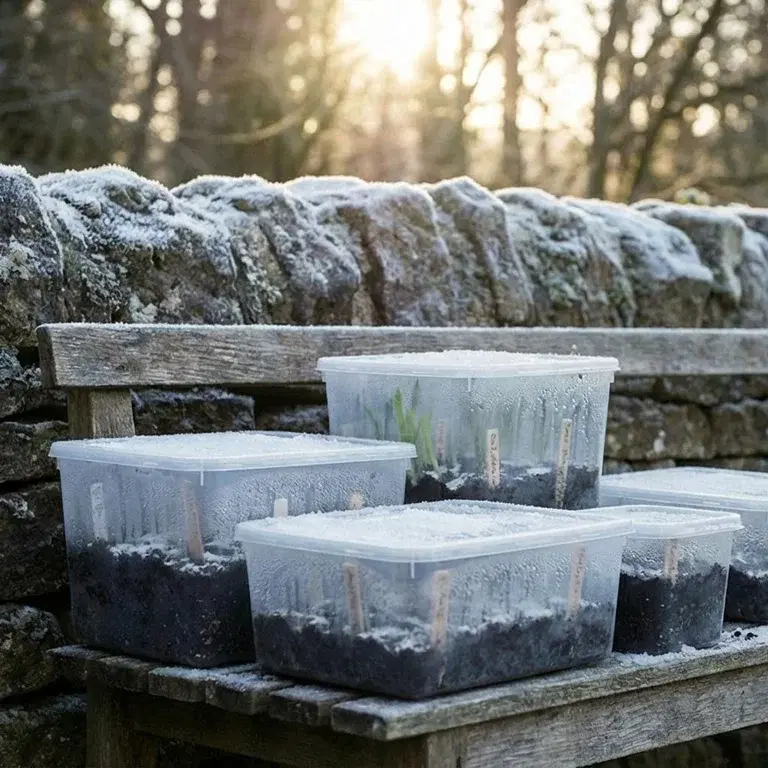
- Mini greenhouse
- Optional plastic to cover the pots at the start to retain moisture. Remember to make holes in the plastic to remove condensation.
Tip! Some hobby gardeners sow on different shelves and supplement with plant lighting on each shelf.
When should you start?
You can sow seeds at any time during the year, but if you want vegetables for the summer, it is best to sow in January or February. The vegetables that take the longest to develop are chili and bell peppers. Some flowers, such as geraniums and heliotrope, also need extra time before flowering. These can be sown in early spring/winter.
In March/April, you should get started with sowing seeds for other plants, so that they germinate and are ready to be planted out in the summer.
Seeds that can wait
Some seeds should not be sown until March/April for various reasons. This may be because they need as much daylight as possible, or because they tend to grow so large indoors that they become difficult to transplant.
- Tomatoes should ideally not be sown until late March or early April, as they are highly dependent on light.
- Cucumber prefers a lot of heat and should not be planted out if the night temperature is below 15 degrees.
- Peas and beans usually grow quite large, but the seeds do not grow in soil temperatures below 12 degrees. Many people therefore wait until May to sow directly outdoors.
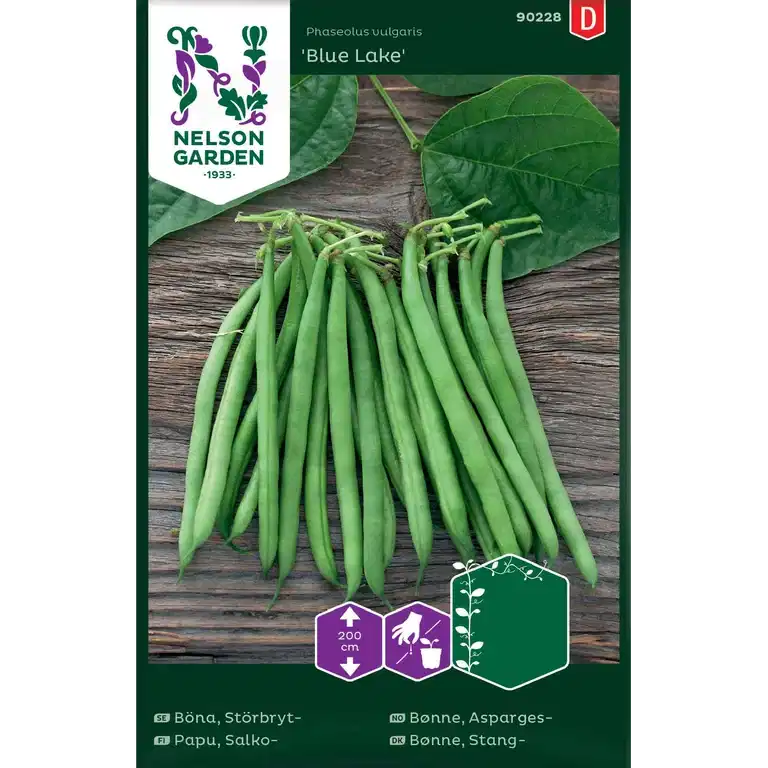
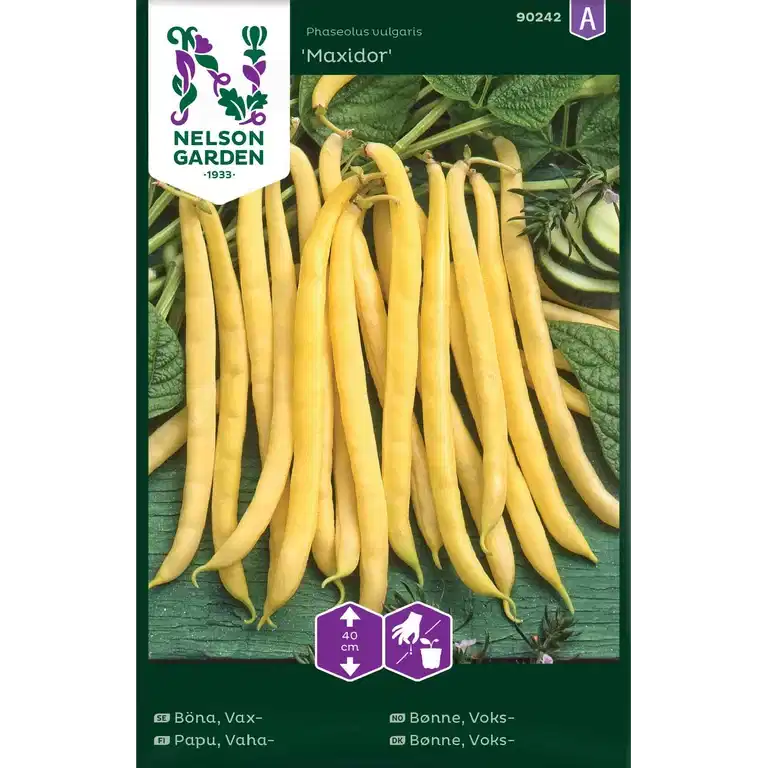
Sow with the right conditions and get stronger plants
A seed needs the right amount of heat, water, and humidity to grow into a beautiful plant. There are several things you can do to help the seedling grow.
- Different pots and a good environment
Use pots, tubs, cut-up milk cartons, or egg cartons. Seeds do well either way, so take advantage of what you have at home. Ensure the pots have high humidity by covering them with plastic or by placing them in a mini greenhouse. - Correct amount of soil and even distribution of seeds
Larger seeds usually need more soil than smaller seeds. Press the soil lightly when you sow and moisten it with lukewarm water from a spray bottle. Sow two to four seeds in each pot and make sure to distribute them evenly. Add more sowing soil, but remember that light-germinating seeds should not be covered. - Correct temperature and light
18–19 degrees is ideal for sowing seeds. It must be warm, but at the same time not too hot. Therefore, avoid placement in strong sunlight or near a heating element. Seeds need light to grow into plants. If you sow during the winter, you can use an LED light or a grow lamp to achieve sufficient light.
Remember to water!
Do not drown the seeds in water, but do not wait to water until the soil is too dry either. Water gently so that the soil is moist, and check that the seeds do not wash away.
NOTE! The first growth nutrients are given approximately three weeks after transplanting.
When the plant begins to appear
It is always pleasant when the first leaves of a plant appear. When the first two pairs of leaves show, you can begin thinking about transplanting into larger pots. This must be done carefully so that the small roots are not damaged. Place the new pot in a bright and cool spot, or use a grow lamp. Now is the time to put the plant in a greenhouse or cover it with a plastic lid.
Time for transplanting
Once the plant has begun to grow, you can move it outdoors. Wait until the nights are frost-free. It is important that you acclimate the plants to being outside so they become hardened. Start by placing them in a cool, shaded spot for a few hours during the day. Gradually, you can plant them out in flower beds or planting boxes.
Grow with the task
It is fun to sow and see small plants grow over time. Sow on your own or together with family and friends, and gain new experiences every time you plant a seed. It is both educational and pleasant, and it is a joy to be able to eat your own vegetables and pick your own flowers grown from seed.
Also read:
You are here: