
Plant lighting - facts and tips about grow lights and plant lights
Are your indoor plants looking a bit sickly during the winter months? This is usually because the natural light from the sun is too weak. With the help of plant lighting, you can give both seed-grown plants and potted plants the little extra they need to thrive at home all year round.
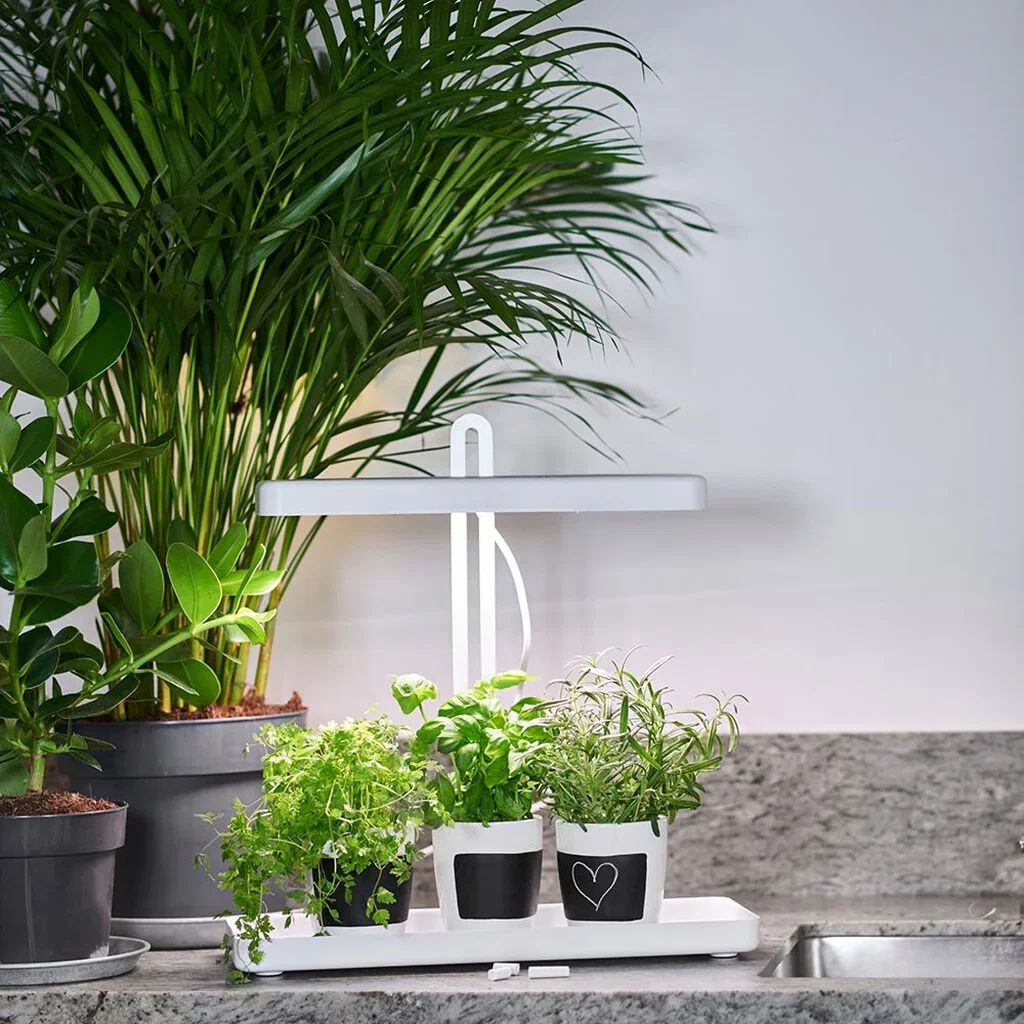
Light is the energy source for plants and is actually the most important thing we provide to our plants. In line with the increasing interest in indoor plants and cultivation, more and more varieties of plant lighting are emerging – and they are becoming increasingly energy efficient. There are lamps suitable for the kitchen as well as for a dark corner of the living room, or in the basement and garage if you want to grow from seeds there.
Good light for plants
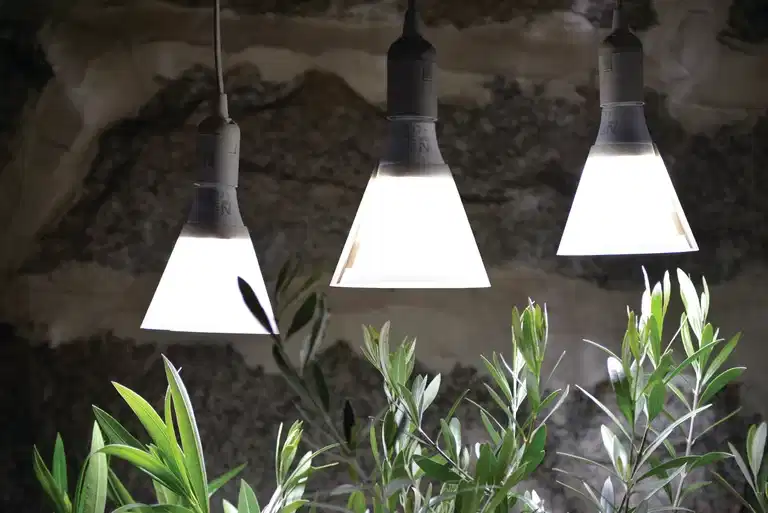
Today, there is a large selection of different plant lighting on the market. You can also use inexpensive low-energy lamps with a simple shade or a fluorescent tube with white light. Both are alternatives that provide a lot of light for the money.
For white color shades, there is a rough classification into warm white, neutral white, and daylight white. All white variants work well, as they contain all colors. The only lighting that cannot be used is regular incandescent bulbs. They are inefficient, emit too much heat, and do not contain the type of light that plants need.
Fluorescent light fixtures are available in many different lengths. They usually have a cold, blue-white light. If you want a warmer and more pleasant light, you can choose a fluorescent tube with 4000 kelvin. The higher the number, the colder the light is perceived.
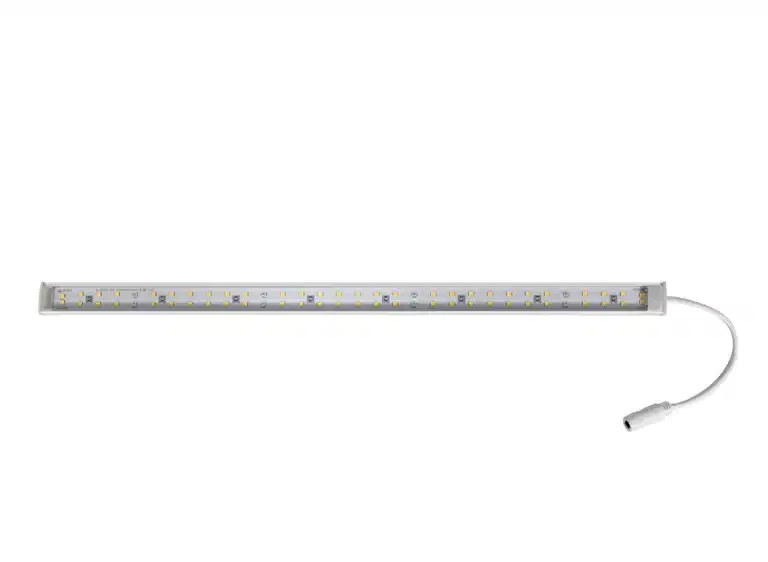
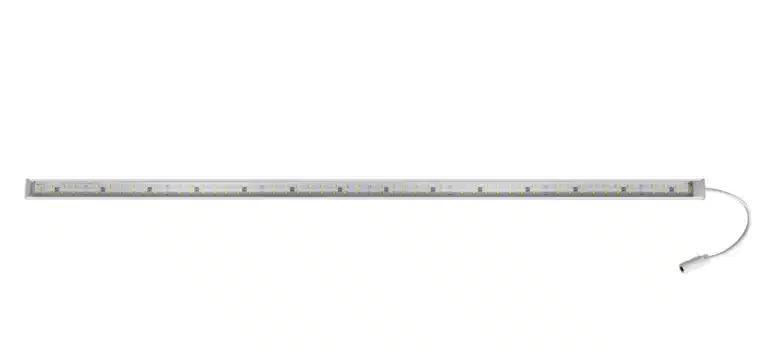
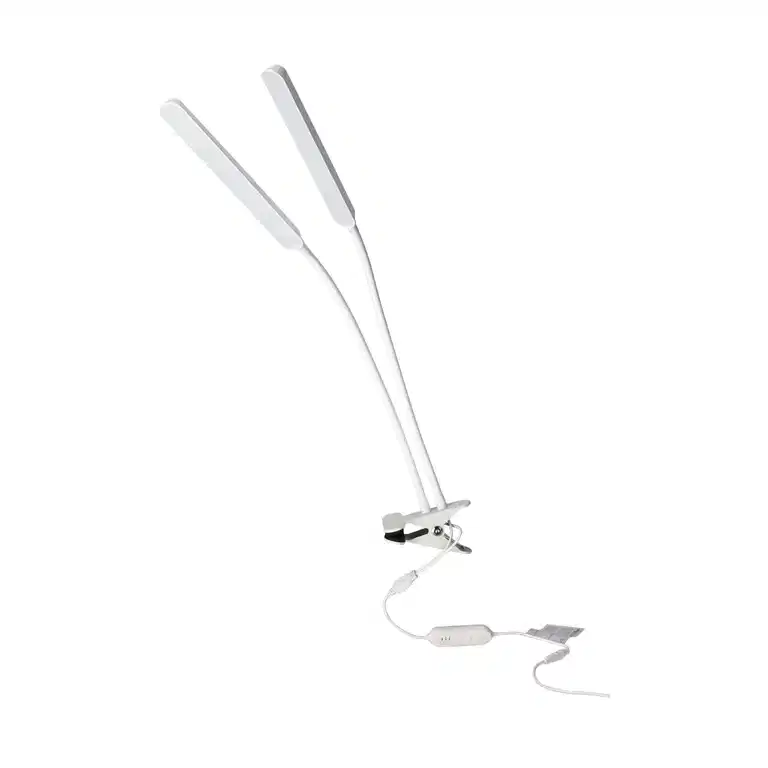
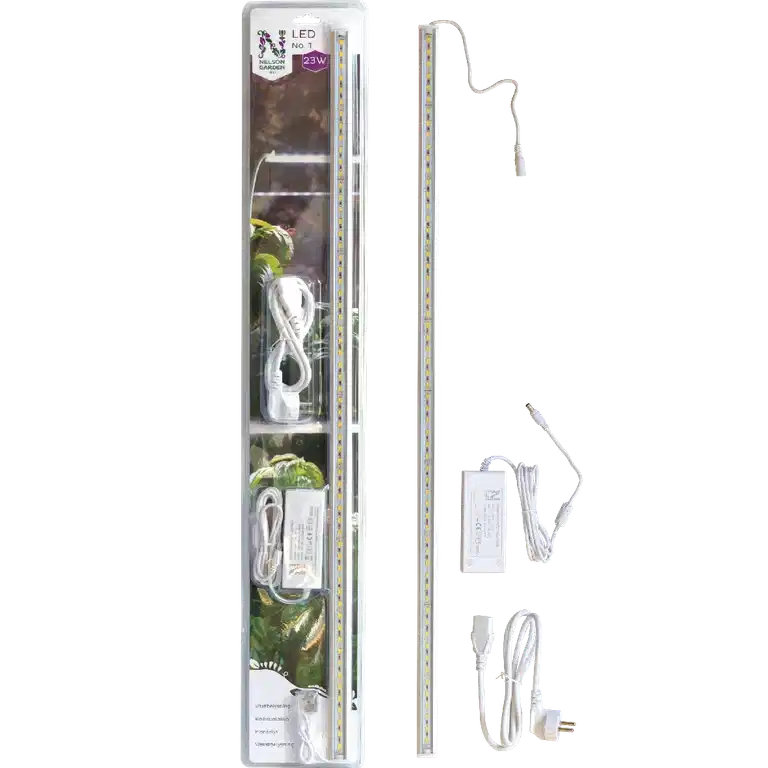
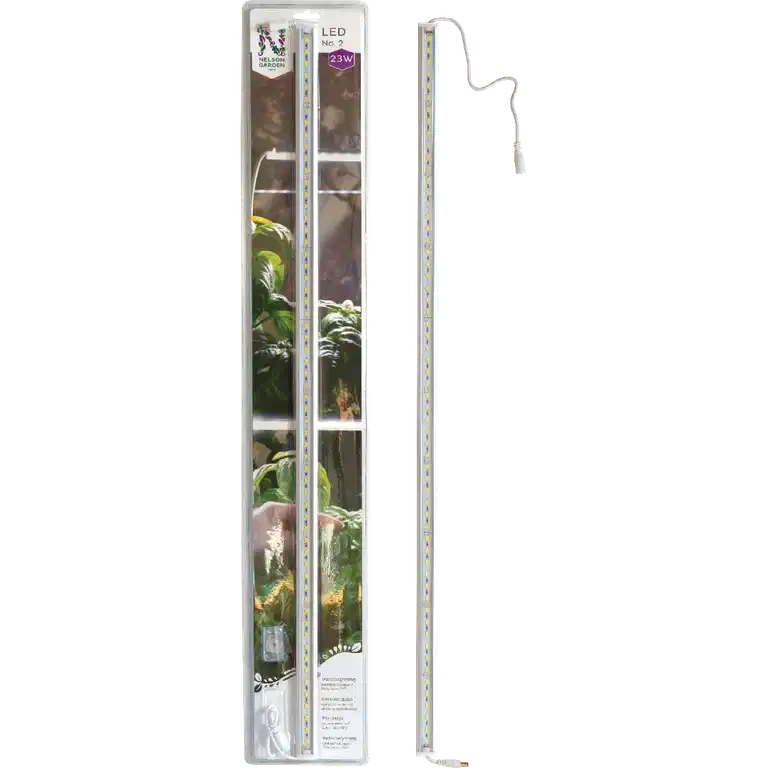
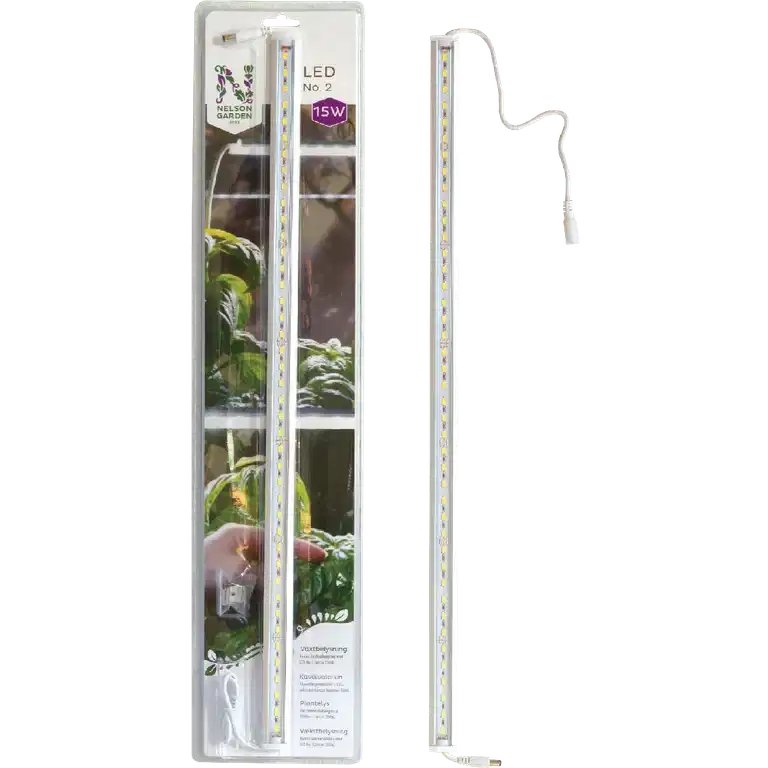
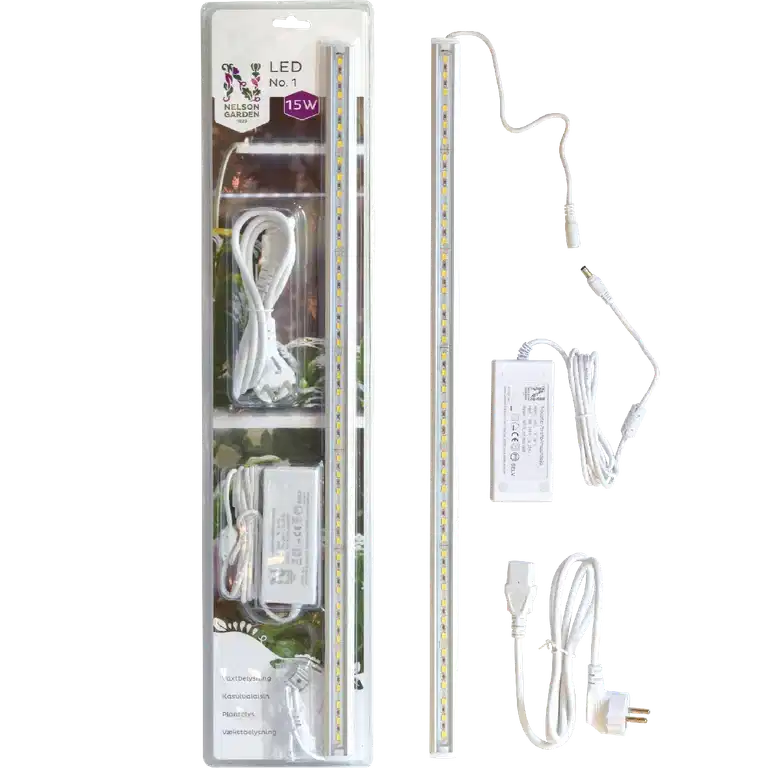
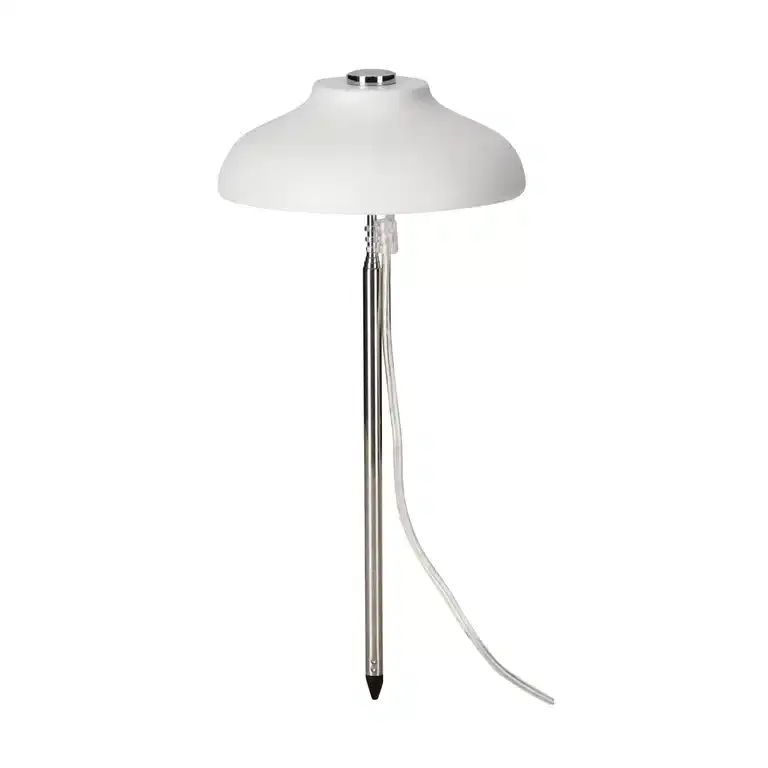
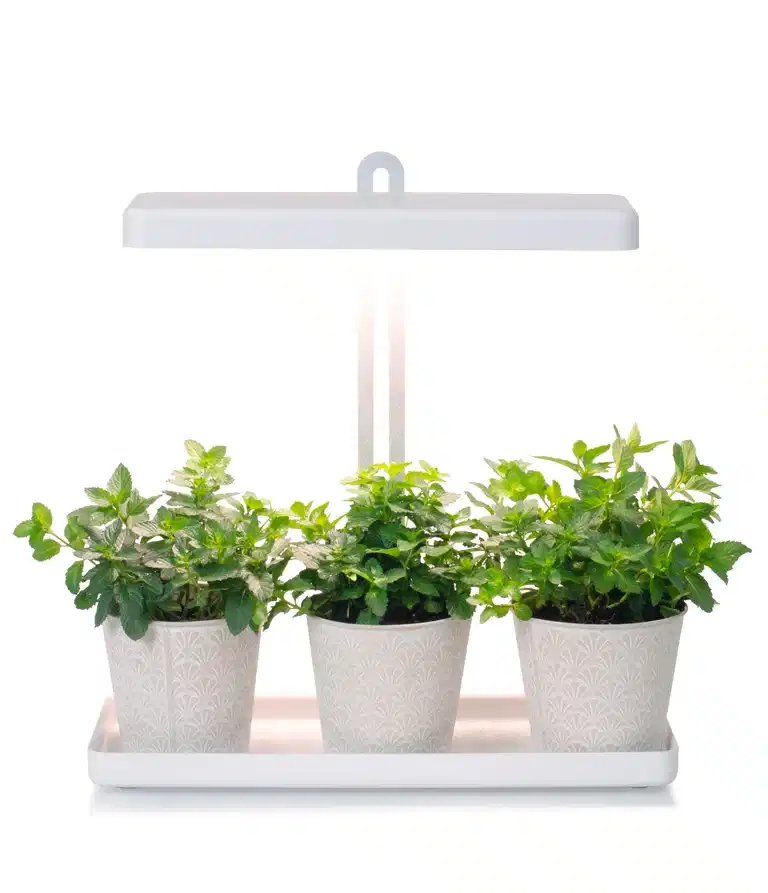
LED lights for plants
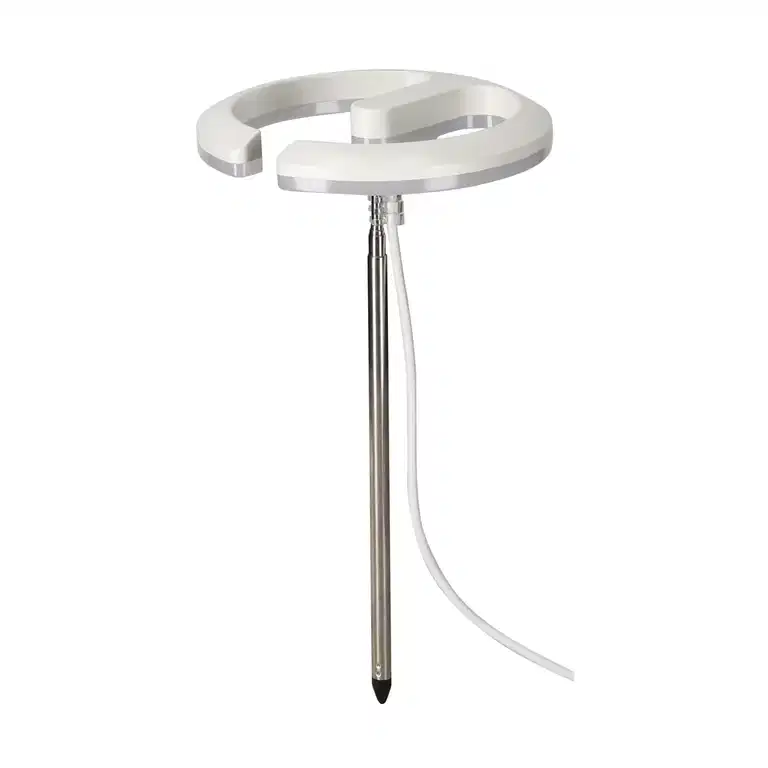
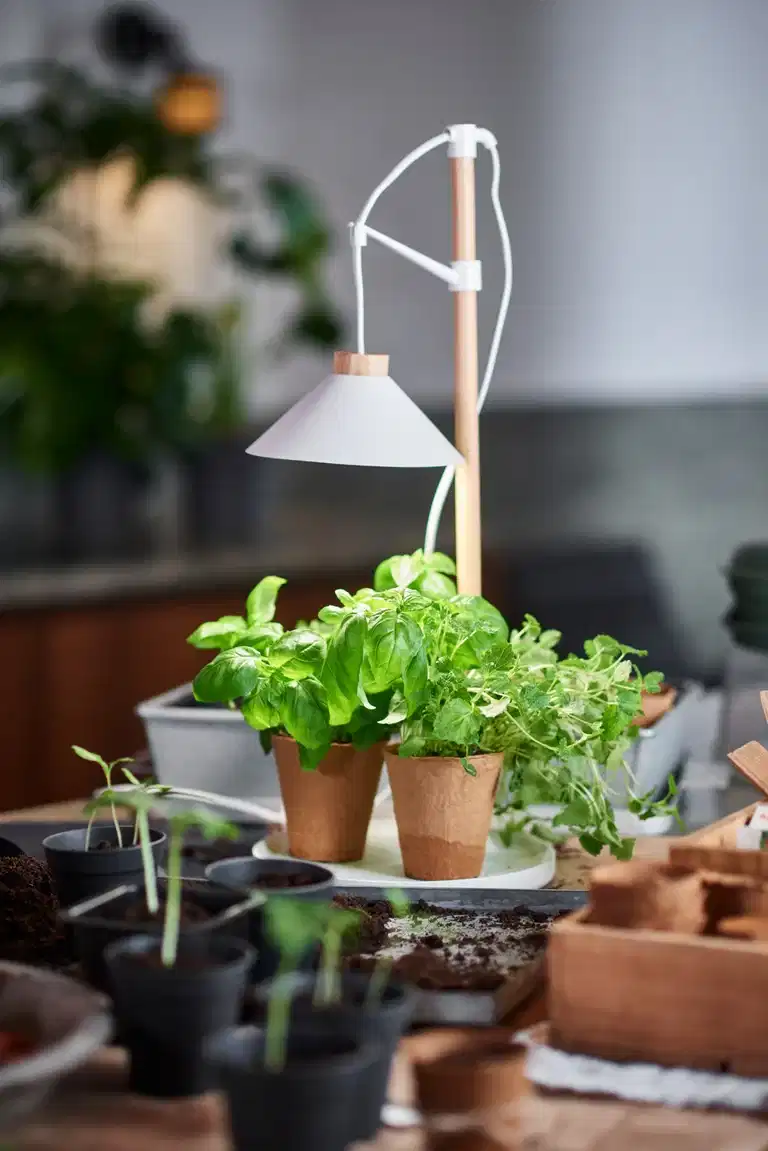
Most plant lamps are now equipped with LED (Light Emitting Diode) lamps, which have both a long lifespan and use little power. LED lamps use 80–90 percent less energy than a regular incandescent bulb or halogen lamp. The new LED fixtures are often slightly slimmer in shape and take up less space than others.
In the world of lighting, there are many terms to describe the quality of light. Natural daylight contains all the colors of the rainbow and is therefore called full-spectrum light. This is the type of light that plants want.
You will also encounter many more words that describe the lamps' light:
- Watt measures power, for example, 60 W.
- Kelvin measures color temperature, for example, 4000 K.
- Lux is a measure of light intensity, which is how much light hits a specific surface.
- Lumen measures how much light a light source emits, for example, 2200 lm. If a light source of 100 lumens illuminates one square meter, the light intensity on that surface will be 100 lux.
- Micromol measures light intensity per second and square meter, for example, 200 µmol/s/kvm.
Aside from watts, lumen and lux are perhaps the most familiar terms, but they are not really that useful when we are growing plants. Lumen and lux describe how our eyes perceive light.
Micromol is most important when growing
Therefore, when growing plants, one rather speaks of micromol. The term describes the number of light particles radiating from a lamp and hitting a surface. A fundamental rule among professional growers is that approximately 200 micromoles per second per square meter are needed for sowing seeds.
If you have a 100-watt lamp, the light intensity on one square meter will be about 200 micromoles. A good benchmark is thus 100 watts per square meter. The lamp should be on for 16 hours to achieve the best growth for the plant.
If the lamp is to be used as supplementary light for indoor plants or for plants that will overwinter in a cool room, less light is needed.
Correct distance to the plants
The distance to the plants should initially be about 10–20 cm. As the plants grow taller, you gradually raise the lighting to a distance of 50 cm. If you use LED lighting, it is possible to keep it closer to the plants without them getting burn damage. This is because LED lights emit less heat.
Tip! Regardless of the type of lighting you choose, it is wise to select a variant that can be raised and lowered!
Choosing the right light intensity for plant lighting
- Light for sowing seeds
What requires the most light is sowing seeds and pre-cultivating vegetables, herbs, and flowers for planting. They need at least 200 micromoles or 100 watts per square meter. The lighting must be on from 14 to 16 hours per day. Follow the day/night cycle and turn off the light at night. - Light for indoor plants
If your indoor plants are placed slightly into the room, they normally get too little light during the winter and therefore need supplementary light from a lamp. They need approximately 100 micromoles or 50 watts per square meter, from 12 to 14 hours per day. Follow the day/night cycle and turn off the light at night. - Light for overwintering plants
If you have plants that need to overwinter, it is best to store them in a cool place, such as a basement. They need approximately 70 micromoles or 30 watts per square meter for 8 to 12 hours per day.
Tip! Feel free to use a timer so you don't have to remember to turn it on and off.
Source: Bergstrand, Karl-Johan. 2015. Modern växtbelysning
Read more:
You are here: