
How to succeed in growing your own herbs
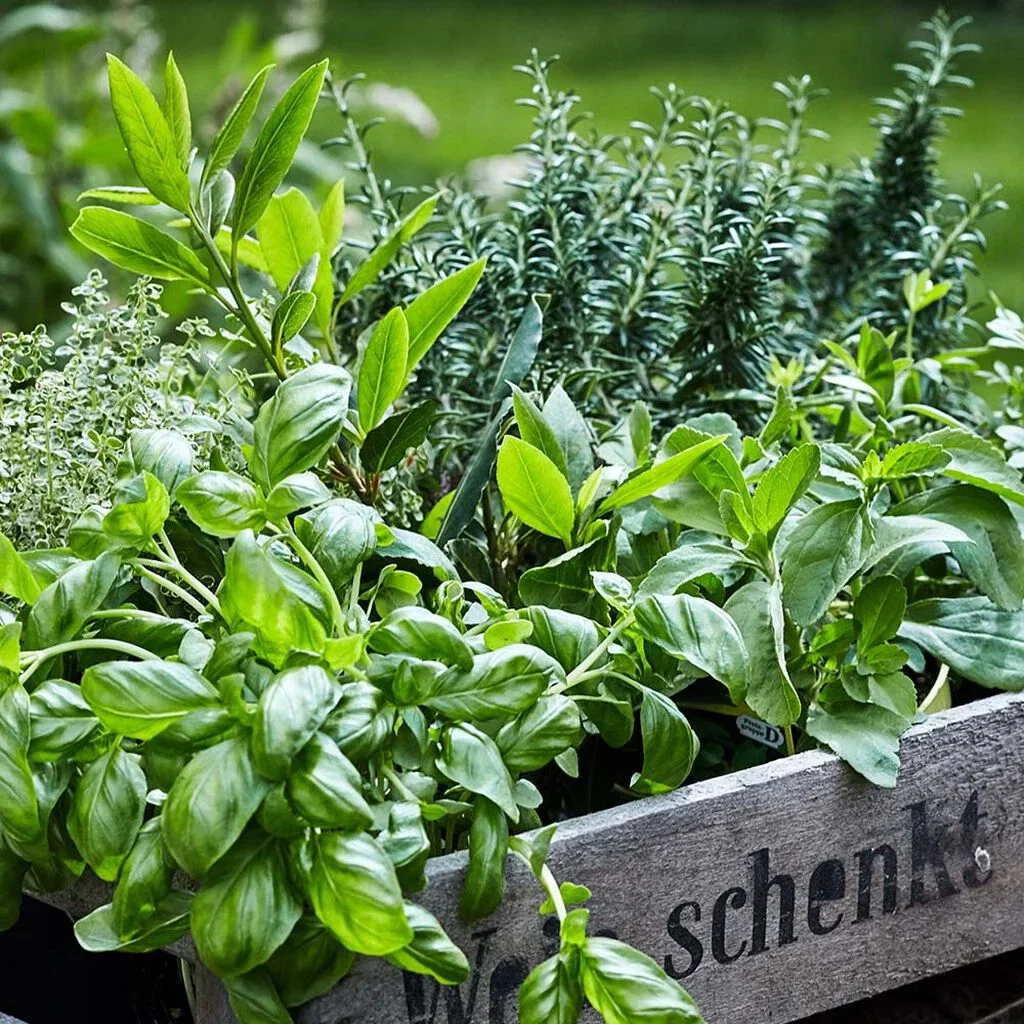
Growing your own herbs is easy, delicious and very healthy. Plus, herbs you grow at home are completely organic and non-toxic, so you can be confident in what you're eating. If you don't have green fingers to grow herbs from scratch, you can always buy our ready-made plants in larger pots.
Sow and plant herbs
It's super easy to sow your own herbs. Follow these four steps and you'll have the start of your own kitchen garden.
- Fill with fresh soil.
- Plant the seeds just below the top layer of soil.
- Moisten the soil with a spray bottle.
- Be patient; it will sprout soon!
Plant herbs
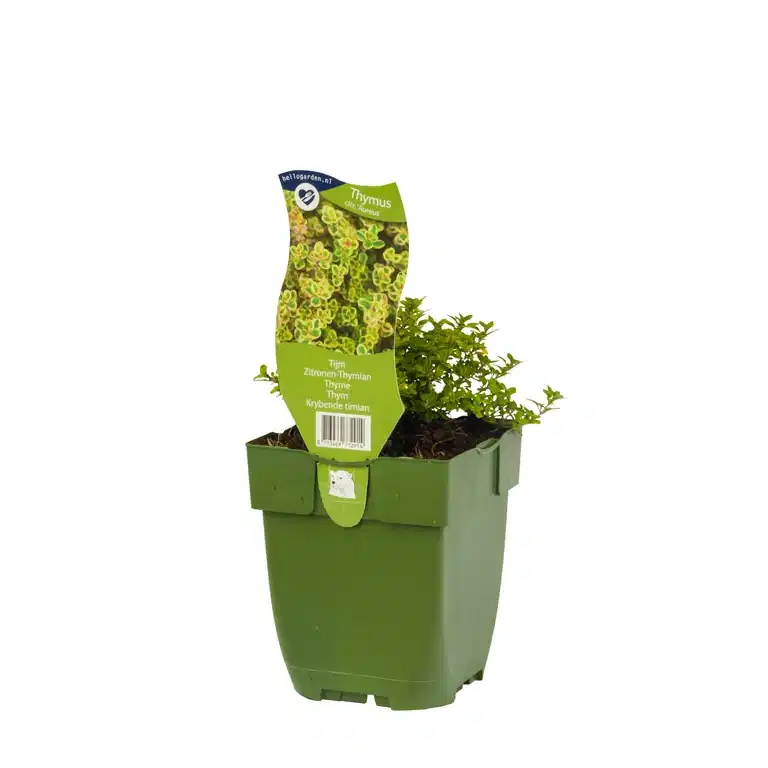
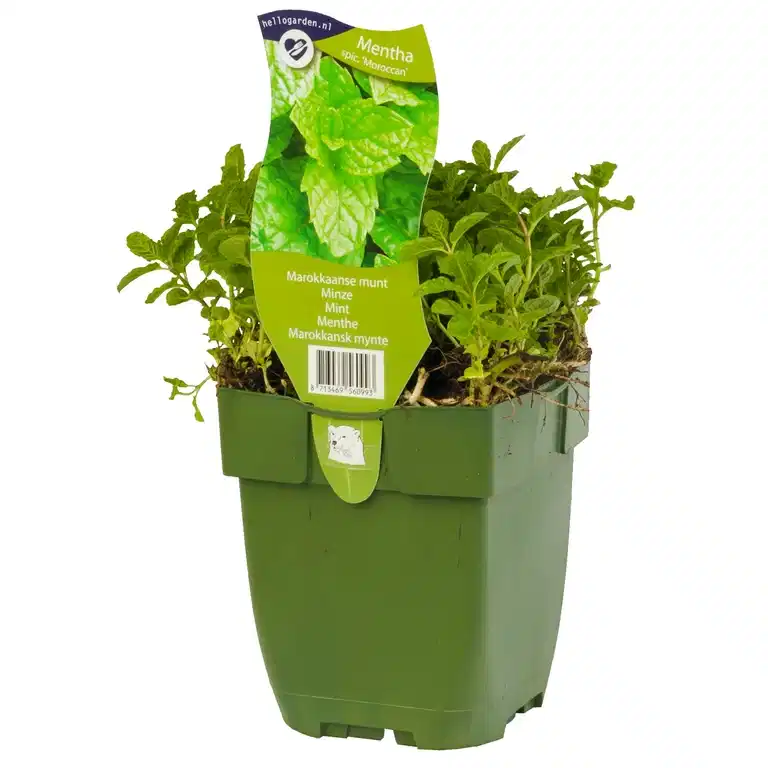
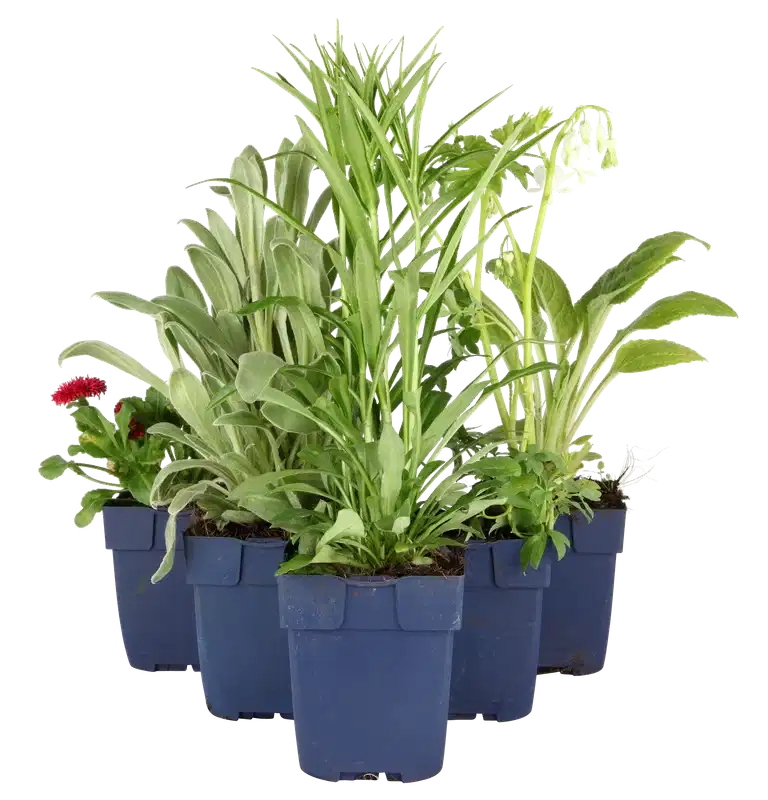
Plant your herb plants in good soil, preferably Debio-branded. There is herb soil that is adapted to the needs of the plants. If you want to plant different varieties in the same pot, it may be a good idea to think about their water needs. Thyme, rosemary, oregano, mint, parsley and chives are some of the varieties that have more or less similar needs. Basil is best kept to itself as it is a bit sensitive.
Water the herbs when you plant them, then let the soil dry out between waterings. For basil, the soil should be kept evenly moist. Feed the herbs at regular intervals throughout the season, and you should also choose an organic option if you plan to eat the herbs.
Location
Herbs can be planted in almost anything, but a drainage hole in the bottom makes them easier to care for. You can also plant the herbs directly in the ground or in planters, so you get a larger harvest. On cool nights, it may be a good idea to cover your herbs with a non-woven fabric so that they don't get ugly leaves. This also applies when you plant new plants, but then they should be protected from the sun for the first week so that they get a gradual habituation. To make it easy to use your herbs, it's a good idea to plant your herb garden near the kitchen.
Choose the right herbs
These are some of the varieties we have in our assortment and what they are suitable for:
- Basil
Plant part/use: leaves, shoots/salads, meat, pizza
Taste, smell: fresh, unique taste
Annual/perennial: annual
- Lemon balm
Plant part/use: leaves/shoots/drinks, desserts, fish
Taste, smell: lemon flavor
Annual/perennial: annual
- Dill
Plant part/use: leaves, seeds/suitable for most things
Taste, smell: fresh
Annual/perennial: annual
- French tarragon
Plant part/use: leaves, shoots/sauces, eggs, fish and poultry
Taste, smell: anise flavor
Annual/perennial: annual
- Fennel
Plant part/use: seeds/bread seasoning, fish, soups
Taste, smell: fresh specific taste
Annual/perennial: perennial
- Hysop
Plant part/use: leaf/meat dishes, soups, perfume
Taste, smell: bitter minty taste
Annual/perennial: perennial
- Coriander
Plant part/use: seed, leaf/pastry, perfume, stews
Taste, smell: fresh specific taste
Annual/perennial: annual
- Sage
Plant part/use: leaf, shoots/meat, potatoes, pasta
Taste, smell: strong smell
Annual/perennial: perennial
- Lyme
Plant part/use: leaf, shoots/stews, soups, salads
Taste, smell: fresh specific taste
Annual/perennial: perennial
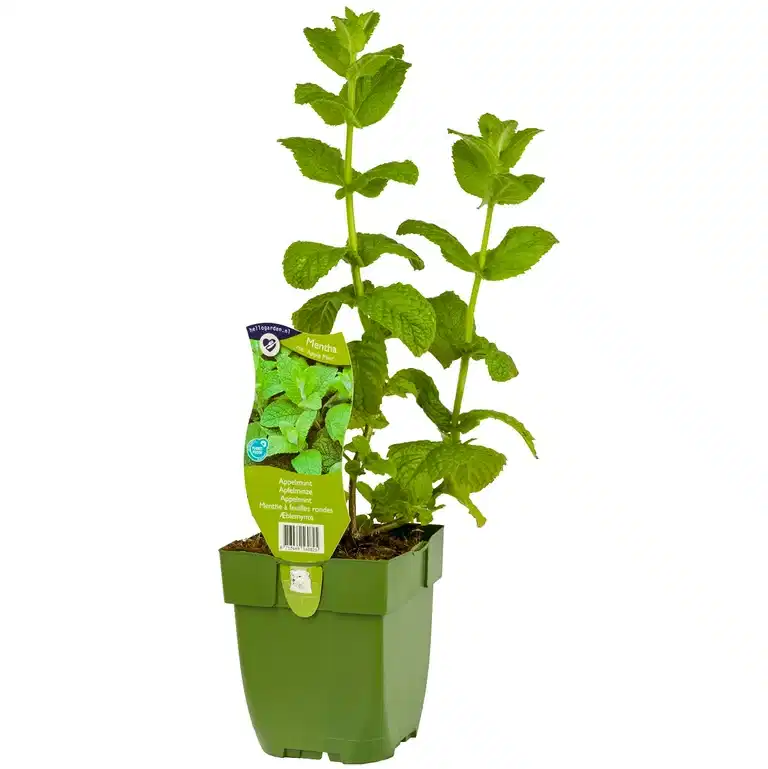
- Mint
Plant part/use: leaf, shoots/tea, sauce, vinegar, jelly
Taste, smell: fresh peculiar taste
Annual/perennial: perennial
- Oregano
Plant part/use: leaf/pasta, pizza, meat, sauces
Taste, smell: fresh, distinctive
Annual/perennial: perennial
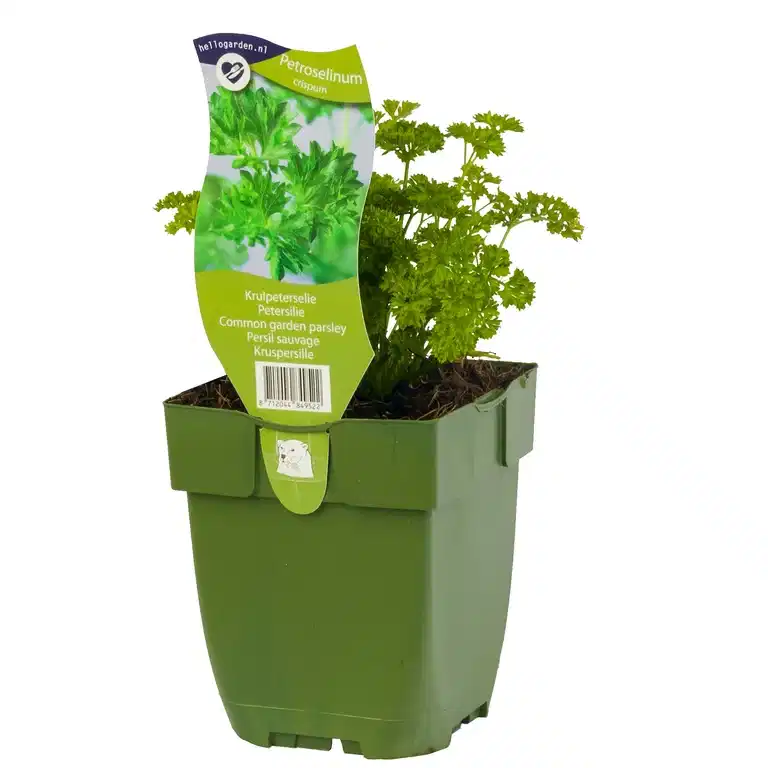
- Parsley
Plant part/use: leaf, stem/fish, meat, salad
Taste, smell: fresh, distinctive
Annual/perennial: biennial
- Rosemary
Plant part/use: leaf/meat, lamb, grilling
Taste, smell: spruce smell
Annual/perennial: perennial
- Thyme
Plant part/use: leaf, shoot/meat, fish, soup
Taste, smell: mild, aromatic
Annual/perennial: perennial
- Vintersar
Plant part/use: leaf, shoot/meat, sauce, egg dishes
Taste, smell: fresh, distinctive
Annual/perennial: perennial
Some herbal tips
Harvest your herbs regularly so they stay green and fresh. If you don't use everything, you can dry or freeze the leftovers and use them later. Bumblebees, bees and butterflies love the flowers of the herbs, so leave some to bloom to attract these beneficial insects to your garden. Mint has a strong growth rate. If you plant it with other plants, it may be a good idea to delimit it with a border that you press slightly into the soil. Otherwise, the mint can take over the entire pot or bed.
Read more:
You are here: